
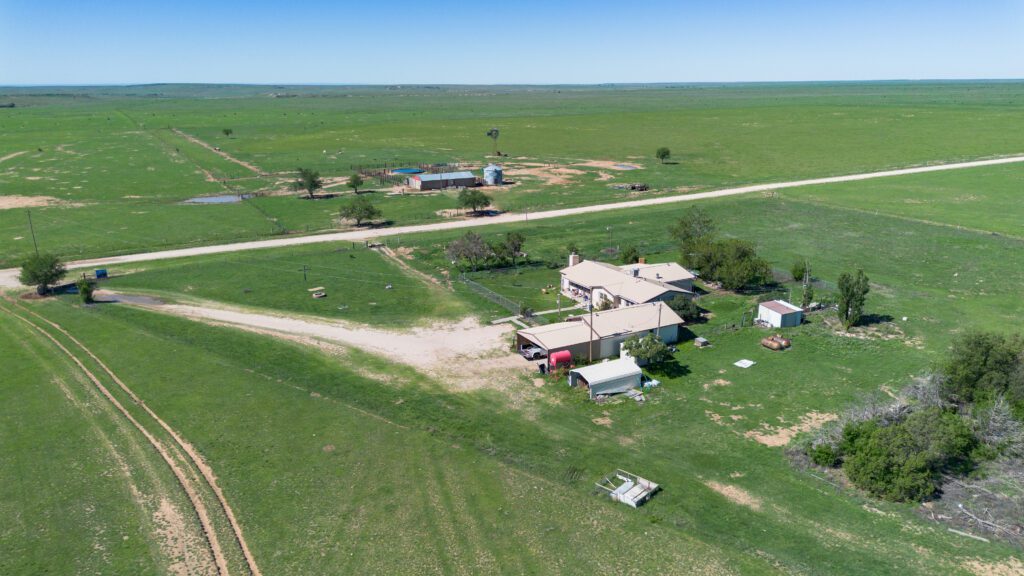
Whether you’ve owned your ranch for generations or recently started thinking about selling, one of the first questions that comes to mind is, “What is my ranch worth?”
The answer isn’t always straightforward. Unlike residential real estate, where comparable sales are often plentiful, every ranch is unique. Two properties with the same acreage can have dramatically different values based on their location, improvements, water resources, and overall usability.
Here are some of the biggest factors that determine the value of a Texas ranch.
Location Still Matters
As the saying goes, location is everything. Ranches located near growing communities, major highways, or areas experiencing development often command higher prices than similar properties in more remote locations.
In the Texas Panhandle, access to towns like Amarillo, Canyon, and surrounding communities can significantly influence value. Road frontage, ease of access, and proximity to services are all important considerations for today’s buyers.
Water Can Make a Significant Difference
One of the most valuable features of many ranches is water.
This may include:
- Wells
- Springs
- Creeks
- Ponds or lakes
- Reliable groundwater
- Irrigation infrastructure
The quality, quantity, and reliability of water can greatly impact both agricultural productivity and recreational appeal.
Improvements Add Value—When They Fit the Property
Homes, barns, shops, working pens, fencing, and other improvements can increase a property’s value, but only if they’re functional and well maintained.
A buyer looking for a working cattle operation may place significant value on quality livestock facilities, while a recreational buyer may be more interested in a comfortable lodge or hunting cabin.
The key is how well the improvements support the property’s highest and best use.
Agricultural Productivity
For working ranches and farms, productivity plays a major role in determining value.
Buyers often evaluate:
- Grazing capacity
- Soil quality
- Native versus improved grasses
- Irrigated acreage
- Crop history
- Fencing and cross fencing
Properties with proven agricultural performance often attract stronger buyer interest.
Recreational Appeal
Not every buyer is purchasing land strictly for production.
Hunting opportunities, wildlife habitat, scenic views, canyons, mature trees, fishing ponds, and privacy can all contribute to higher demand. Recreational buyers continue to be an active segment of the Texas land market, especially for properties that offer multiple uses.
Current Market Conditions
Like any real estate market, ranch values fluctuate based on supply and demand.
Interest rates, available inventory, commodity prices, and buyer demand all influence what a property may bring today. A valuation from even a few years ago may no longer reflect current market conditions.
Comparable Sales Matter
Perhaps the most important factor is recent comparable sales.
Experienced land brokers analyze properties that have recently sold with similar characteristics, including location, acreage, improvements, water features, and intended use. Because rural properties are so unique, finding truly comparable sales requires specialized market knowledge.
So…What Is Your Ranch Worth?
The only way to accurately determine your ranch’s value is through a comprehensive evaluation that considers all of these factors together.
At Triangle Realty, we specialize in ranches, farms, recreational properties, and rural land throughout the Texas Panhandle. Our team combines decades of local market experience with in-depth knowledge of agricultural and recreational properties to provide realistic, data-driven valuations.
If you’ve been wondering what your ranch might be worth—or you’re simply curious about today’s market—we’d be happy to visit with you. Even if selling isn’t in your immediate plans, understanding your property’s current value can help you make informed decisions for the future.
Contact The Haynes Team at Triangle Realty to schedule a confidential, no-obligation property evaluation.