
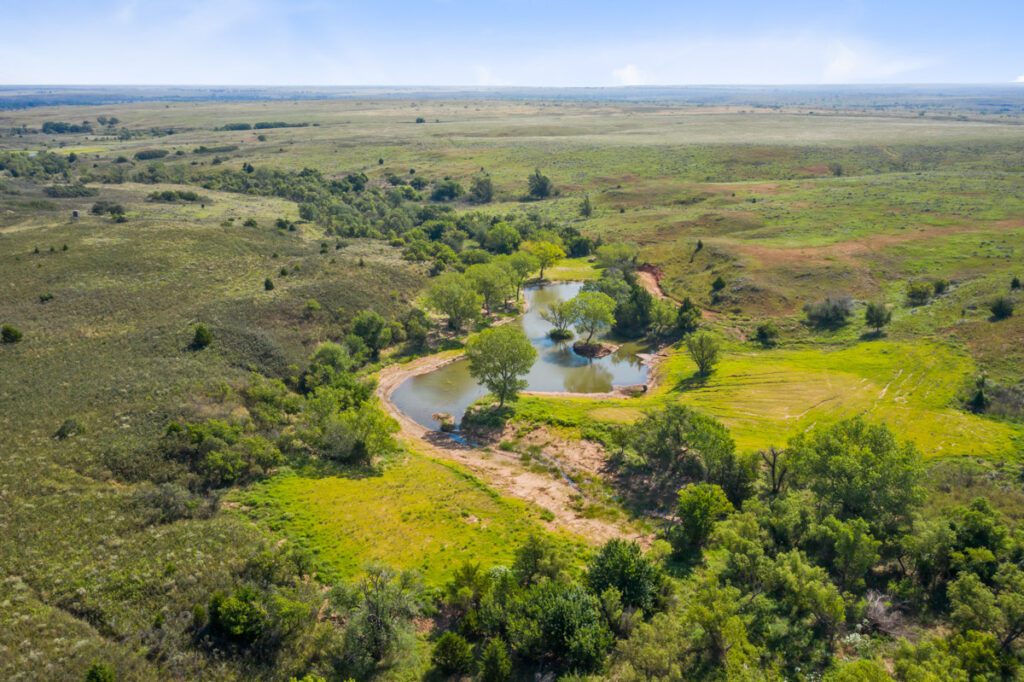
Buying land in the Texas Panhandle can be an exciting opportunity, whether you are looking for a homesite, farmland, a working ranch, recreational property or a long-term investment. But buying acreage is different from buying a home.
With land, there is much more to evaluate than the property itself. Water, access, mineral rights, utilities, improvements, agricultural valuation, restrictions and future plans can all affect what a property is worth and how you can use it.
If you are considering buying land in the Texas Panhandle, here are some of the most important things to understand before you make an offer.
1. Start With Your Goals for the Property
Before looking at land, determine what you actually want to do with it.
Are you looking for:
- A homesite
- A recreational property
- A working cattle ranch
- Farmland
- Hunting property
- An investment
- A combination of uses
Your intended use can dramatically change which properties make sense.
For example, someone looking for a homesite may prioritize utilities, road access, water and proximity to Amarillo or Canyon. A cattle buyer may be more concerned with grazing capacity, fencing, water sources and improvements. A farmer may place a much higher value on soil quality, irrigation and water availability.
Knowing your goals first makes it easier to identify the right property and avoid paying for features you do not need.
2. Determine Your Budget Beyond the Purchase Price
The purchase price is only part of the cost of buying rural land.
Depending on the property and your plans, you may need to budget for improvements or services such as:
- Surveying
- Well construction
- Septic installation
- Utility extensions
- Fencing
- Roads and access improvements
- Barns, shops or other improvements
- Equipment
- Property taxes
- Insurance
- Ongoing maintenance
Texas A&M AgriLife Extension recommends considering infrastructure, access, utilities and other costs that can affect the initial investment and long-term usability of rural property.
A piece of land that looks inexpensive at first may require significant additional investment before it can be used the way you intend.
3. Understand the Water Situation
Water is one of the most important considerations when buying land in the Texas Panhandle.
Do not simply assume that a property has water because there is a well on the property or because a listing says water is available. Find out exactly what water sources exist, how they are used and what rights convey with the property.
Depending on the property, you may need to investigate:
- Existing water wells
- Well production and condition
- Groundwater availability
- Groundwater conservation district requirements
- Irrigation wells
- Surface water rights
- Water rights that have been reserved or severed
- Municipal or rural water availability
Groundwater in Texas is generally managed locally through groundwater conservation districts where they exist, while surface water is regulated through the state’s water-rights system.
This is particularly important when evaluating agricultural land. Water availability can have a major impact on the property’s agricultural productivity and overall value.
For properties with existing surface water rights, TCEQ provides a Water Rights Viewer that can be used to research authorized water rights, ownership and water-use information.
The important takeaway is simple: water should be part of your due diligence, not an assumption.
4. Verify Legal Access
A property may appear to have easy access on a map or from the road, but buyers should verify that legal access exists.
Ask questions such as:
- Does the property have frontage on a public road?
- Is access provided through an easement?
- Is the easement recorded?
- Who maintains a private road?
- Are there shared driveways or gates?
- Are there access restrictions?
Legal access is especially important with rural properties that are surrounded by other privately owned land.
Texas A&M AgriLife recommends reviewing legal access, easements, rights-of-way and other property rights as part of the purchase process.
5. Understand Mineral Rights and Other Property Rights
One of the biggest mistakes a land buyer can make is assuming that everything associated with the property automatically conveys with the sale.
Property rights can include:
- Surface rights
- Mineral rights
- Groundwater rights
- Surface water rights
- Wind rights
- Easements
- Pipeline rights
- Grazing leases
- Farm leases
- Wind or solar agreements
Some of these rights may have been previously reserved, leased or severed from the surface estate.
Before purchasing land, determine which rights are included in the transaction and which are not. A title company and qualified attorney can help buyers understand the legal documents affecting a particular property.
6. Look Closely at the Land Itself
Once you have narrowed down a property, take time to evaluate the physical characteristics of the land.
Depending on your intended use, consider:
- Topography
- Soil
- Drainage
- Floodplain
- Native grass
- Cultivation
- Irrigation
- Trees and brush
- Fencing
- Roads
- Water sources
- Existing improvements
- Neighboring properties
For agricultural buyers, productive acreage may be one of the most important factors. For a ranch buyer, grazing capacity, water and improvements may carry more weight.
For a homesite buyer, the best building location, drainage, access and utility availability may be more important than the total acreage.
There is no single definition of “good land.” The right property depends on what you plan to do with it.
7. Review the Survey and Title
A survey can help establish boundaries, acreage, access and potential encroachments.
Title work can reveal important information about the property, including:
- Ownership history
- Easements
- Restrictions
- Liens
- Leases
- Reservations
- Mineral interests
- Other recorded documents
Texas A&M AgriLife Extension recommends careful title review and notes that a current survey can help confirm boundaries, acreage, legal access and encroachments.
Do not skip this step simply because the property looks straightforward.
8. Understand Agricultural and Property Tax Valuation
Many Texas rural properties receive special-use property tax valuations based on agricultural or other qualifying uses.
If you are purchasing land that currently has an agricultural valuation, find out:
- What type of valuation does the property have?
- What is the current use?
- What acreage is included?
- What are the applicable requirements?
- Will your intended use qualify?
- Could changing the property’s use result in rollback taxes?
Agricultural valuation is not something a buyer should simply assume will continue after closing. Texas A&M AgriLife Extension recommends reviewing the property’s use history and applicable requirements with the appropriate county appraisal district.
9. Investigate Utilities and Improvements
If you plan to build a home or other improvements, determine what infrastructure is already available.
Check for:
- Electricity
- Natural gas
- Rural water
- Well water
- Septic feasibility
- Internet availability
- Existing roads
- Fencing
- Shops
- Barns
- Pens
- Stock tanks
- Other improvements
“Utilities nearby” does not necessarily mean utilities are already available at the property or that connecting to them will be inexpensive.
Ask the appropriate utility providers what is actually available and what costs or requirements may apply.
10. Consider Restrictions and Future Use
Before buying land, find out whether there are restrictions that could affect your plans.
Depending on the property, this could include:
- Deed restrictions
- Easements
- HOA or property-owner association requirements
- County or municipal regulations
- Subdivision restrictions
- Agricultural leases
- Grazing agreements
- Pipeline or utility easements
Rural Texas properties can have fewer restrictions than properties inside cities, but “rural” does not automatically mean “unrestricted.”
Your real estate agent, title company, surveyor and attorney can help identify and interpret the documents that affect a particular property.
11. Work With a Land Specialist
Buying a house and buying 1,000 acres are two very different transactions.
Land buyers benefit from working with someone who understands the factors that drive rural property value and usability.
A knowledgeable land agent can help you evaluate:
- Acreage and location
- Comparable sales
- Water
- Improvements
- Agricultural productivity
- Access
- Property rights
- Potential uses
- Market conditions
- Negotiation strategy
This is especially important in the Texas Panhandle, where properties can range from small acreage tracts and homesites to large farms and ranches.
With The Haynes Team at Triangle Realty, land is a major part of what we do.
Our team brings more than 100 years of combined experience to the table, along with extensive knowledge of Texas Panhandle agriculture, ranching, land ownership and rural real estate.
We work with buyers looking for everything from acreage and homesites to large farms, ranches and investment properties.
12. Take Your Time With Due Diligence
Once you find the right property, the due diligence process is where you learn whether the property actually works for your goals.
Before closing, buyers should work with the appropriate professionals to investigate the property and its rights, including the title company, surveyor, attorney, lender, water professionals, engineers or other specialists when appropriate.
Some of the biggest red flags to investigate include unclear access, missing or outdated surveys, uncertain water rights, undisclosed easements, questions about agricultural valuation and deferred infrastructure. Texas A&M AgriLife specifically identifies these types of issues as concerns for first-time rural land buyers.
The goal is not to find a perfect piece of land. The goal is to understand exactly what you are buying.
Why Buy Land in the Texas Panhandle?
The Texas Panhandle offers a unique combination of agricultural land, ranches, recreational properties, homesites and investment opportunities.
For buyers who understand what they are looking for, land can offer something that is increasingly difficult to find: space and flexibility.
Whether you are looking for a few acres outside Amarillo, a homesite near Canyon or Bushland, productive farm ground, or a large ranch farther into the Panhandle, the right property can serve both your immediate needs and long-term goals.
But finding the right property requires more than searching for the most acres at the lowest price.
It requires understanding the land.
Why Choose The Haynes Team for Texas Panhandle Land?
The Haynes Team at Triangle Realty brings a team approach to land real estate.
That means buyers have more than one person working behind the scenes to help them navigate the process. Our team combines land and agricultural knowledge with marketing, negotiation, transaction coordination and local market expertise.
We understand that purchasing land is a major investment, and we take the time to understand what our clients are trying to accomplish before helping them find the right property.
From Amarillo and the surrounding communities to ranches and farms throughout the Texas Panhandle, our team is equipped to help buyers navigate the opportunities and challenges that come with rural real estate.
If you are considering buying land in the Texas Panhandle, start with the right questions. Then work with a team that knows the land, understands the market and can help you make an informed decision.
Looking for Texas Panhandle land? Contact The Haynes Team at Triangle Realty to start your search.
Frequently Asked Questions About Buying Land in the Texas Panhandle
What should I look for when buying land in the Texas Panhandle?
Start with your intended use, then evaluate water, access, property rights, utilities, soil, improvements, restrictions, taxes and location. The most important factors will depend on whether you are purchasing a homesite, farm, ranch, recreational property or investment.
Is buying land in the Texas Panhandle a good investment?
Land can be a valuable long-term investment, but no property is automatically a good investment. Location, water, agricultural productivity, improvements, access, market conditions and future development potential can all affect value.
How much land do I need to build a home in the Texas Panhandle?
There is no universal acreage requirement. The amount of land you need can depend on the location, subdivision restrictions, local requirements, septic considerations, water availability and your plans for the property.
What should I know about water when buying Texas land?
You should determine whether the property has a well, rural water, irrigation, surface water rights or another water source and verify what rights actually convey with the property. Groundwater and surface water are governed differently in Texas, making property-specific due diligence important.
Do mineral rights come with Texas land?
Not necessarily. Mineral rights may have been previously severed or reserved. Buyers should have the title reviewed to determine which property rights are included in the transaction.
Should I get a survey when buying rural land?
A current survey is strongly recommended. It can help establish boundaries, acreage, legal access and potential encroachments.
How do I find land for sale in the Texas Panhandle?
Working with a land-focused real estate team can help you identify properties that fit your goals, budget and intended use. The Haynes Team specializes in Texas Panhandle land, farms, ranches and acreage and can help buyers evaluate available opportunities.
Why should I use a land specialist instead of a residential real estate agent?
Land transactions involve considerations that are often very different from residential real estate, including water, mineral rights, agricultural valuation, grazing, irrigation, access, acreage and rural infrastructure. A land-focused agent brings experience with those issues and the market factors that influence rural property value.