
When people think about real estate appreciation, homes usually come to mind first. But land has long been one of the most reliable long-term investments, especially in Texas. While every property is unique, understanding what drives land value can help buyers make informed decisions and help sellers recognize the strengths of their property.
Unlike residential real estate, land isn’t valued by square footage or interior finishes. Instead, its worth is determined by a combination of natural resources, location, usability, and market demand. Here’s a closer look at the factors that influence land appreciation.
Location Still Matters
Just like residential real estate, location is one of the biggest drivers of land value. However, “location” means more than just being close to a city.
Land with easy access to major highways, county roads, nearby towns, grain elevators, livestock markets, or processing facilities often commands a higher price. In the Texas Panhandle, proximity to Amarillo or other regional hubs can also increase demand, particularly for buyers seeking recreational property, homesites, or investment opportunities.
The surrounding area also plays a role. Nearby development, expanding communities, or growing commercial corridors can positively impact future value.
Water Is One of Land’s Most Valuable Assets
For many buyers, water availability can significantly influence a property’s value.
Depending on the intended use, valuable water features may include:
- Irrigation wells
- Livestock wells
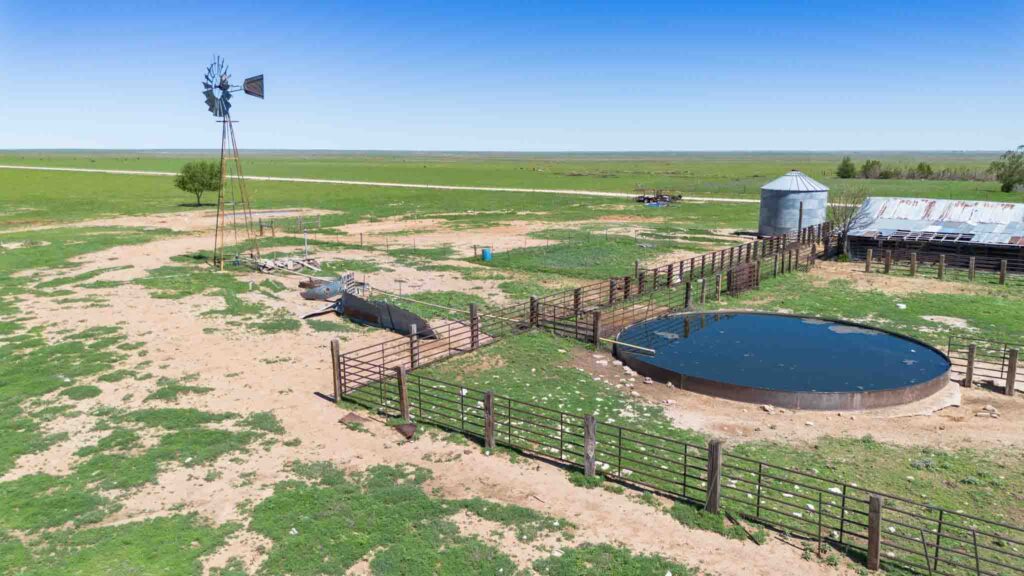
- Stock tanks or ponds
- Creeks or seasonal waterways
- Reliable groundwater access
Water resources often increase a property’s versatility, whether it’s used for agriculture, livestock, wildlife, or recreation.
Quality of the Land
Not all acreage is created equal.
Several physical characteristics can impact value, including:
- Soil quality and productivity
- Native grass conditions
- Topography
- Drainage
- Existing brush or tree cover
- Overall usability
For agricultural buyers, productive soils and efficient field layouts are often priorities. Recreational buyers may value rolling terrain, canyons, timber, or creek bottoms that create attractive wildlife habitat.
Improvements Add Functionality
Well-planned improvements can increase both usability and marketability.
Examples include:
- Perimeter and cross fencing
- Working cattle pens
- Barns and equipment storage
- Homes and cabins
- Shops
- Improved roads
- Electrical service
- Water infrastructure
It’s important to note that improvements should match the property’s intended use. A ranch buyer may value working cattle facilities, while a recreational buyer may prioritize a cabin overlooking a canyon or lake.
Access Is Essential
Legal, reliable access is one of the first things buyers evaluate.
Properties with paved highway frontage, maintained county road access, or multiple access points often appeal to a wider range of buyers. Easy access not only improves convenience but can also simplify future development, agricultural operations, or resale.
Income Potential
Land that generates income can be particularly attractive to investors.
Examples include:
- Agricultural leases
- Grazing leases
- Hunting leases
- CRP enrollment
- Wind energy leases
- Solar leases (where applicable)
Income-producing properties can offer immediate returns while continuing to appreciate over time.
Recreational Appeal
Demand for recreational properties has grown as more buyers seek places to hunt, fish, ride ATVs, or simply enjoy the outdoors.
Features that often increase recreational value include:
- Creeks and ponds
- Mature trees
- Scenic views
- Wildlife habitat
- Privacy
- Elevation changes
- Good road systems
A property that offers multiple recreational opportunities often attracts a broader pool of buyers.
Market Conditions
Land values are also influenced by broader economic trends.
Factors such as interest rates, commodity prices, agricultural profitability, housing demand, and the supply of available land all play a role. While markets naturally fluctuate, well-located, high-quality land has historically remained a sought-after asset because it’s a finite resource.
The Importance of Highest and Best Use
One of the biggest drivers of appreciation is a property’s highest and best use.
For example, a tract currently used for grazing may also have potential for:
- Residential development
- Commercial use
- Investment hold
- Recreational retreat
- Renewable energy projects
Understanding a property’s possibilities can have a significant impact on its long-term value.
Final Thoughts
Every property has a unique combination of characteristics that influence its value. While no one can predict future appreciation with certainty, buyers who focus on quality fundamentals—such as location, water, access, improvements, and long-term usability—are often better positioned to make sound investments.
Whether you’re purchasing your first acreage, expanding an agricultural operation, or considering selling a ranch that’s been in the family for generations, understanding what drives land value is an important first step.
At Triangle Realty, we’ve helped buyers and sellers navigate land transactions across the Texas Panhandle for years. From productive farms and working ranches to recreational retreats and investment properties, we understand the factors that make each property unique and help clients evaluate land beyond the price per acre.